
Three Wise Home Hardening Projects To Increase Your Property Value
Learn about the best home hardening residential improvement projects for Northern California and the Bay Area that can increase your property value as well as your insurability.
Choose Home Hardening Projects That Can Increase Your ROI
In 2026, for homeowners in Northern California and the Greater Bay Area, home hardening is no longer just a safety measure—it is a critical investment in property value and insurability. Effective January 1, 2026, the California Safe Homes Act (announced April 30, 2025), offers grants of up to $10,000 for low-to-moderate-income households to perform these exact upgrades.
But for those with higher, non-qualifying incomes, although grants are not available, the following home hardening projects are recognized for their high Return on Investment (ROI) and their ability to lower insurance premiums—sometimes by as much as 24.5% through the FAIR Plan.
What is the California FAIR plan? The California Fair Access to Insurance Requirements Plan is a state-mandated, last-resort insurance program providing basic property insurance, primarily fire coverage, for homeowners and commercial owners unable to secure coverage through the traditional market. It covers high-risk properties, including those in fire-prone areas, and is funded by private insurers, not taxpayers.
The High ROI Home Hardening Improvements

Based upon our service area construction experience, and in combination with our continuing research, we recommend the 3 following home hardening residential improvements:
- Exterior envelope upgrades focused on ignition prevention
- Defensible Space and Zone Zero hardscaping
- Modernize for functional value to withstand extreme conditions
What follows is a breakdown of what each of these 3 home hardening residential improvements offer to homeowners, along with research-backed ROI numbers to help you fully understand their value.
What Constitutes High Impact Ignition Prevention Exterior Upgrades?
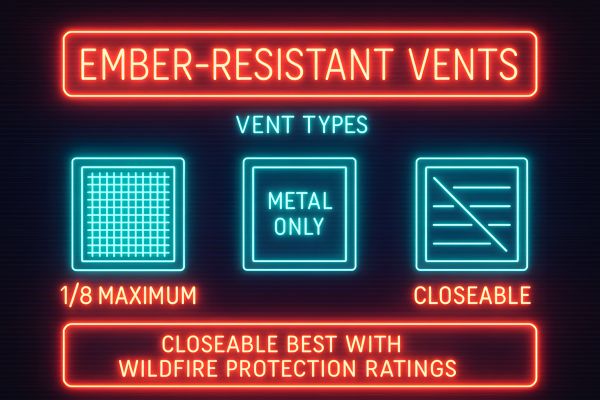
There are 4 primary components of exterior upgrades that can prevent ignition from wind-driven embers—the cause of 90% of wildfire home losses. These exterior upgrades are:
- Class A fire-rated roofing (asphalt shingles, metal, or clay tile)
- Non-combustible fiber-cement or stucco siding (boosts curb appeal while providing 1-hour fire rating)
- Dual-pane tempered glass windows (4x stronger than standard glass/prevents shafting under intense heat)
- Attic and foundation ember-resistant vents (often required for insurance discounts)
For roofs over 15 years of age that lack verified Class A ratings, many private insurance carriers are now issuing 30-day “correct or cancel” notices. Given the insurability ROI, the correct roof replacement can be the most critical upgrade for your home. In particular, for home buyers in Marin County, roof age and rating often factors into their offers to avoid being forced into the more expensive California FAIR plan.
When it comes to financial ROI, fiber-cement siding consistently ranks among the highest ROI projects nationally, sometimes exceeding 100% in the highly competitive Bay Area marketplace. And stucco, with its 1-hour fire rating (often required for ADU construction near property lines, offers many who love the popular Mediterranean look both beauty and safety.
Given that standard glass can shatter in minutes from the radiant heat of a fire, tempered glass is required for WUI-compliant construction as it prevents embers from entering the home. While basic retrofits have a typical payback period of 7-10 years from energy savings alone, dual-pane tempered glass windows provide an immediate boost in home value of up to $24,000.
Among the lowest cost of upgrades, the installation of ember-resistant vents offer a massive defensive “ROI” given embers are the cause of roughly 90% of home ignitions during wildfires. Installing these is a primary requirement to unlock wildfire hardening discounts from the California Department of Insurance.
What Is Defensible Space And Zone Zero hardscaping?
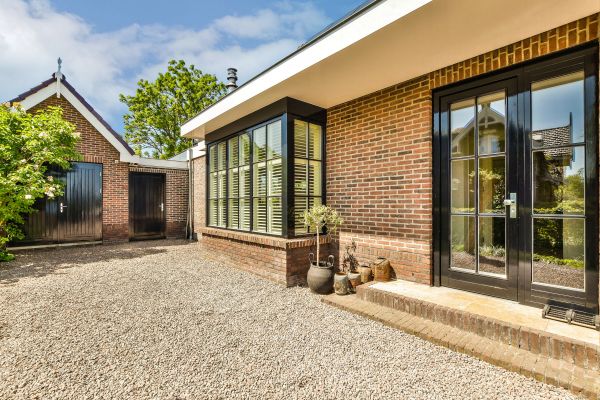
Flying embers cause up to 90% of home ignitions, making defensible space critically important. Defensible space is a managed buffer zone between your home and any other structures, and the surrounding combustible elements such as grass, trees, or wildland area. This space slows or stops the spread of wildfire.
A Zone Zero is the most critical. It is the area that extends from 0 to 5 feet from your home’s walls, attached decks, and any structures. The aim of Zone Zero is to be completely free of combustible materials such that any embers landing near your home’s foundation will find nothing to ignite.
The full enforcement of California Assembly Bill 3074—that mandates a 0-5 foot “ember-resistant zone (Zone Zero) for existing structures—is anticipated to begin this year, one year after the finalization of regulations. Some sources are indicating specific deadlines around August 2026 for removal of combustible materials, such as vegetation and wood mulch, immediately surrounding buildings to reduce fire risk. It’s important to keep in mind that Zone Zero also includes the area under attached decks and stair landings.
What Are the Best Modernization Strategies for Extreme Conditions?
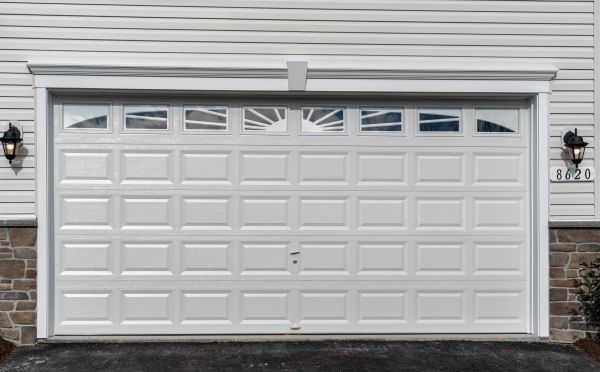
Structural and safety additions can enhance your home’s ability to withstand extreme conditions while adding modern functional value. Among those with the best ROI are:
- A fire-rated, insulated garage door with weather stripping (to prevent embers from entering the garage)
- Boxing in exposed eaves with fiber-cement or metal panels (to eliminate nooks where heat and embers can trap and ignite the roof structure)
- Foundation bolting and cripple wall bracing (seismic retrofitting is often essential for maintaining private insurance coverage)
By focusing on seismic safety and structural resilience, homeowners benefit via a multi-layered ROI ranging from immediate financial gains to long-term risk avoidance.
Per one study, retrofitted pre-1940 homes typically sold for 17% more than their non-retrofitted counterparts. This is because investment in structural retrofits allows foundations to withstand earthquakes, although renovations should include upgrading utility systems for enhanced durability.
Additionally, Homeowners can qualify for a Hazard Reduction Discount (of up to 25%) on their earthquake insurance premiums through the California Earthquake Authority (CEA) after verifying a retrofit. To be eligible, your home must be built before 1980 on a raised foundation that has been braced and bolted with a certified earthquake-resistant bracing system, and verified via a completed Dwelling Retrofit Verification (DRV) form signed by someone like myself (a licensed general contractor) or civil or structural engineer.
When You’re Ready For High ROI Home Hardening Improvements, Contact Ed!
When our service area clients ask what kind of ROI they can expect from these comprehensive home hardening projects, for those who choose fiber-cement siding, they can expect to see yields of 76%, up to 88%. For clients choosing stucco instead of siding, they can expect roughly 70%. While keeping in mind that overall wildfire-resistant upgrades also offer superior long-term durability, home hardening improvements like these frequently offer 10% to 30% cost recoupment, with high-end, durable materials enhancing resale value on top of offering potential insurance savings. However, ROI yields can vary by property, location, and the choice of materials selected.
When our service area clients ask what kind of ROI they can expect from these comprehensive home hardening projects, for those who choose fiber-cement siding, they can expect to see yields of 76%, up to 88%. For clients choosing stucco instead of siding, they can expect roughly 70%. While keeping in mind that overall wildfire-resistant upgrades also offer superior long-term durability, home hardening improvements like these frequently offer 10% to 30% cost recoupment, with high-end, durable materials enhancing resale value on top of offering potential insurance savings. However, ROI yields can vary by property, location, and the choice of materials selected.
To discuss your individual property and the home hardening options that might be best for you, please call or text (707) 999-5878, or drop an email to Ed via ed@edneirconstruction.com with your property address and unique home improvement requests. A BBB A+ rated and actively licensed general contractor, Ed Neir Construction is here to help!
Ed Neir, General Contractor
License #: 928715